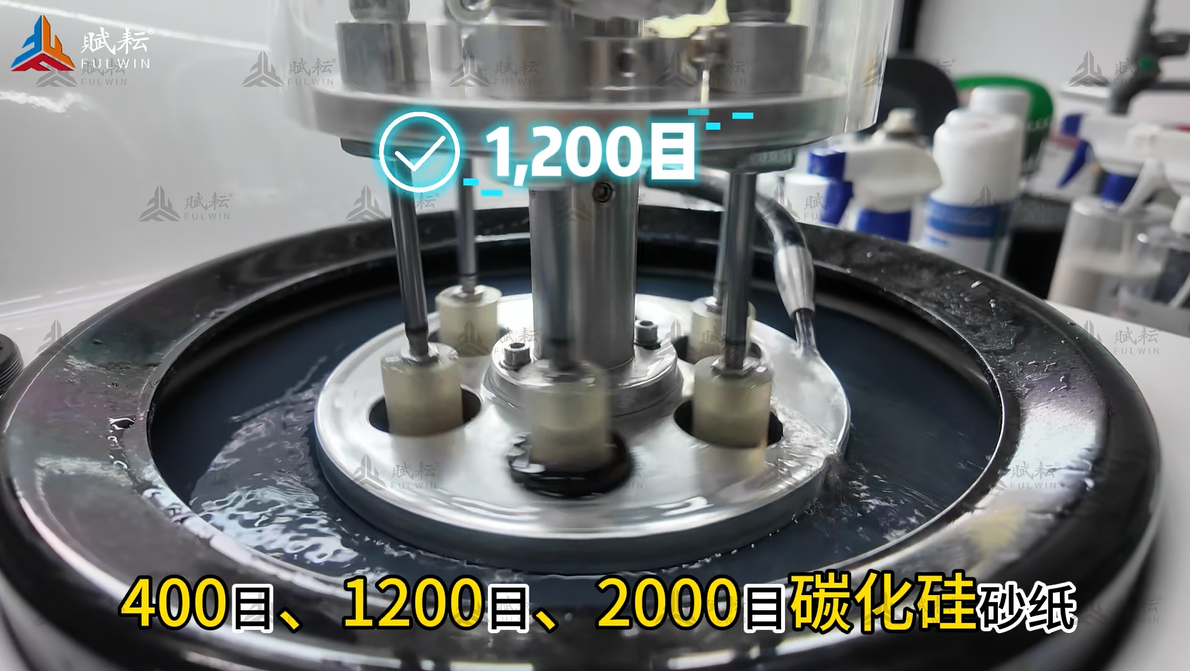
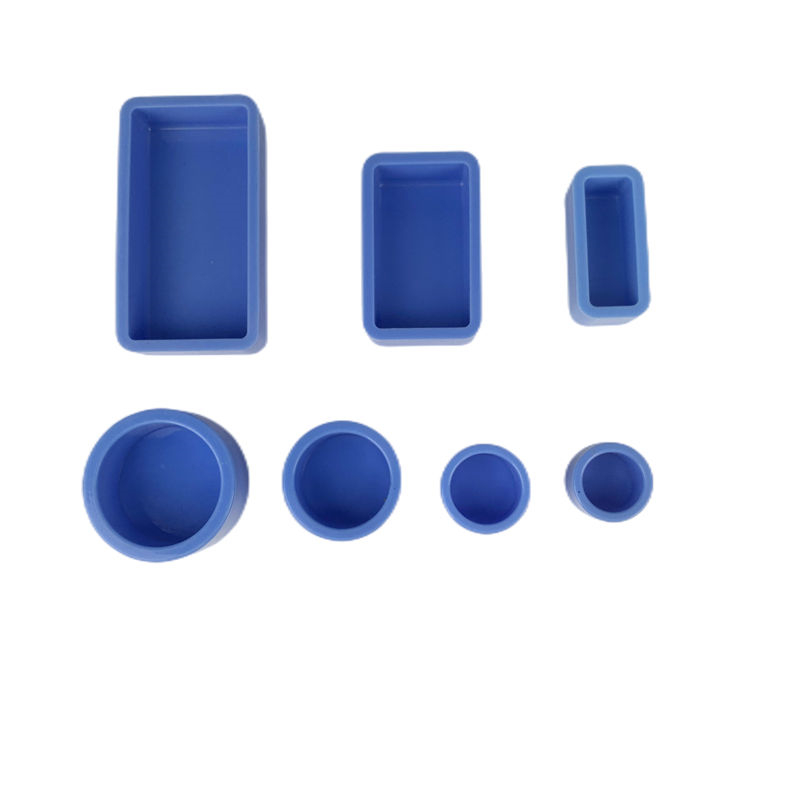
When the sand turbine is finished, the outer edge of the sample should be reversed to avoid the tearing of sandpaper or polishing or even the possibility of being thrown out of the air with a polished hook.
Grinding:
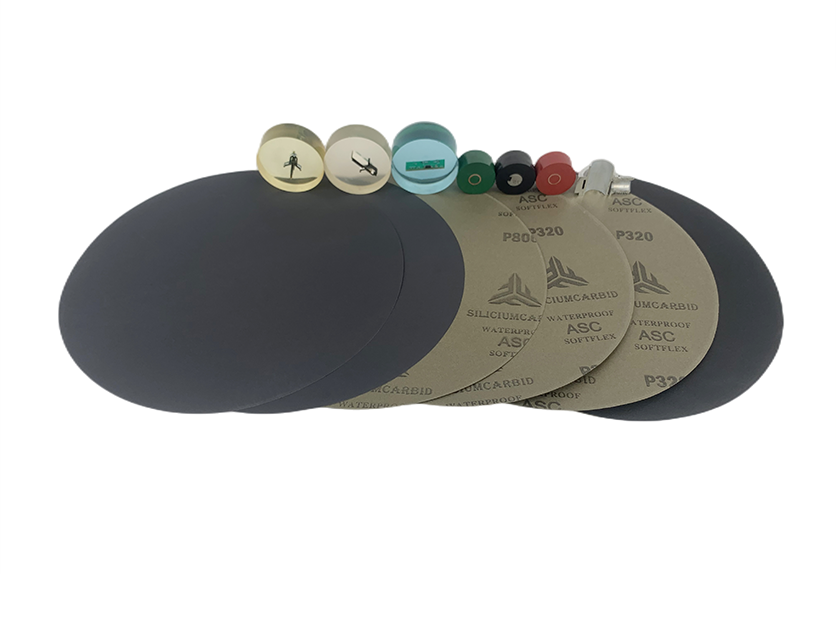
The purpose of fine grinding is to remove the deep and rough grinding left by rough grinding and prepare for polishing. The fine grinding itself includes multi-track operations, which are carried out from thick to fine order on the various sandpapers. Currently, the main method of grinding is wet mechanical grinding, which usually starts with 180 #, and then replaces the fine sandpaper with fine sandpapers, and the normal steel sample grinds to the size of 1200 # sandpaper, with soft materials such as aluminium, magnesium alloys to the size of 3,000 # sand paper. For every change of the fine sandpaper, the face should be rotated 90° to see if the last sand is worn. Fuyun provides gold-specific sandpapers of two different materials, Silicon oxide and Aluminium Oxide, from 80# to 4000 #, which meet different user habits according to the requirements of the sample.
Shine:
The purpose of the polishing is to remove the scratches left by the milling of the gold-specific specimens, which are a smooth mirror. The polishing results depend to a large extent on the quality of the previous processes, so it should be preceded by a careful examination of whether the grinding marks are in a single direction and evenly, or should be polished again in order to avoid waste time.
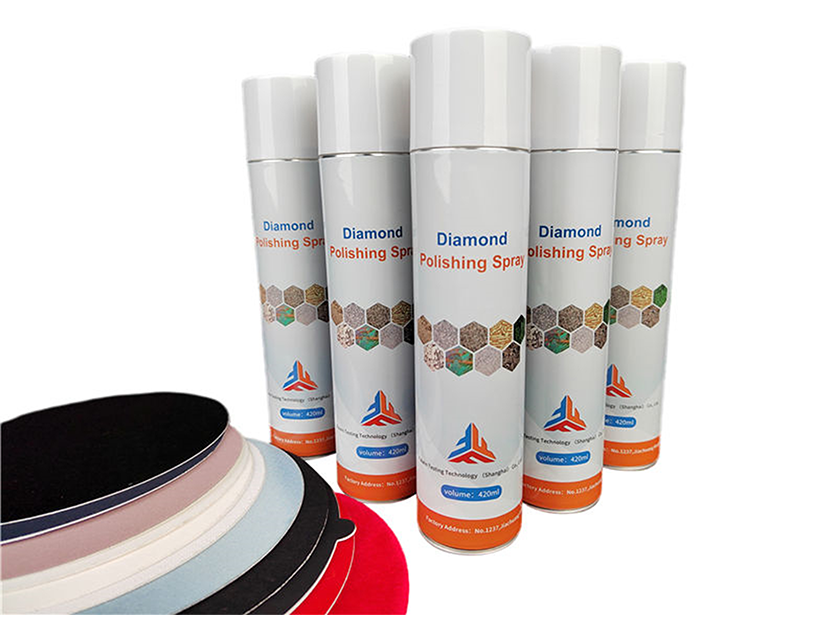
The polishing is usually carried out after a proper amount of polishing fluid is sprayed on a special gold sample projector, usually at a speed of 200 to 600r/min, with a higher rate of rough throw and a lower rate of fine or soft throw. A layer of fabric is worn on the plating disk, a canvas is commonly used, and so on, and the velvet and acetic acid are commonly used in fine throw, and the nympho and high-mole composite sheet is used to prevent the upper and upper-molec.
1. Spraying attention
The polishing of the specimen shall be evenly and evenly pressed on the rotating disk. The pressure should not be too high and the flow should be constant from the edge to the centre.
The polishing process is constantly squirting a proper amount of polish. If too much polishing is on the polished canvas, it will remove the graphite from the steel and the cast iron, and the polishing will be of poor quality. If the polishing is too small, it will make the polishing face dark and black spots.
The specimens should be rotated on the CD-ROM at a later stage to prevent the drag of the steel-filled impurity.
The photo-surface metal is less likely to be deformed, with the entire polishing time not too long, the scratching being removed, and the polishing will stop when the mirror appears.
2. Common defects in grinding and polishing and response measures
1) Striations
The scratches are linear grooves on the surface of the sample and are caused by grinding particles.
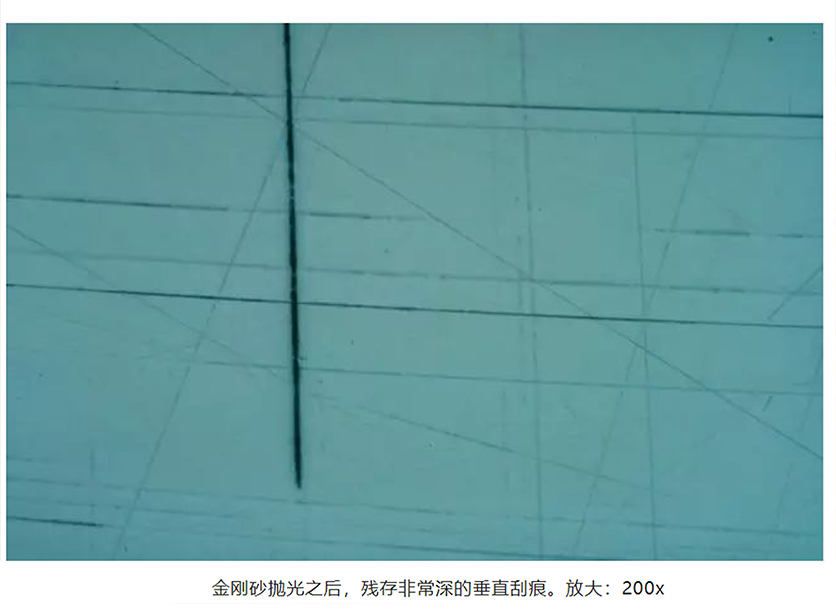
Response measures:
Determines that all samples on the sample are evenly covered with the same rubbeds on the surface of the sample; re-repeated rough as necessary; each step should be followed by careful cleaning of the sample and sample frame to remove the interference of the large-scale grinding particles in the previous process; and if there are any additional tracks left by the previous process after the current polishing process, add 25 to 50% of the sample time.
2) Wrinkles
Plastic transformations that occur in larger areas of the sample, called wrinkles, when the grinding, lubricant or polishing sheet is inappropriately used or when their mix is inappropriate, will make grinding as a blunt knife on the surface of the work, pushing on the surface and causing wrinkles to emerge.
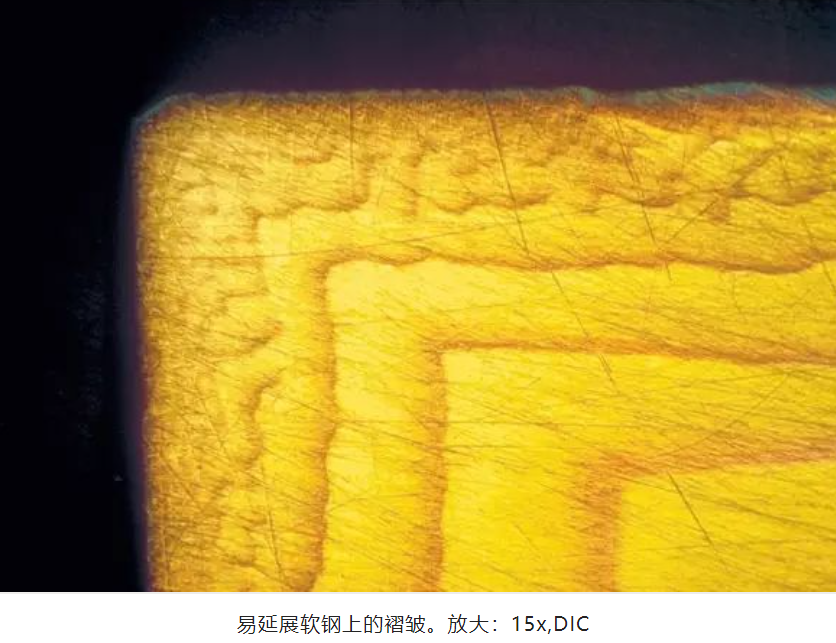
Response measures:
Lubricant: Check the amount of lubricant. Lubricant dosage is too low and often squeezes, and should be increased if necessary.
Plumb: Due to the high responsiveness of the plume, the grinding material will be pushed deep below the bottom of the plume and cannot be used to grind. Change the plume in time
Millage: The granule size of diamonds may be too small to be pressured into a sample for grinding.
3) Hypocrisy
Hypocrisy is the irregular colour of the sample surface, mainly because of exposure to external substances.
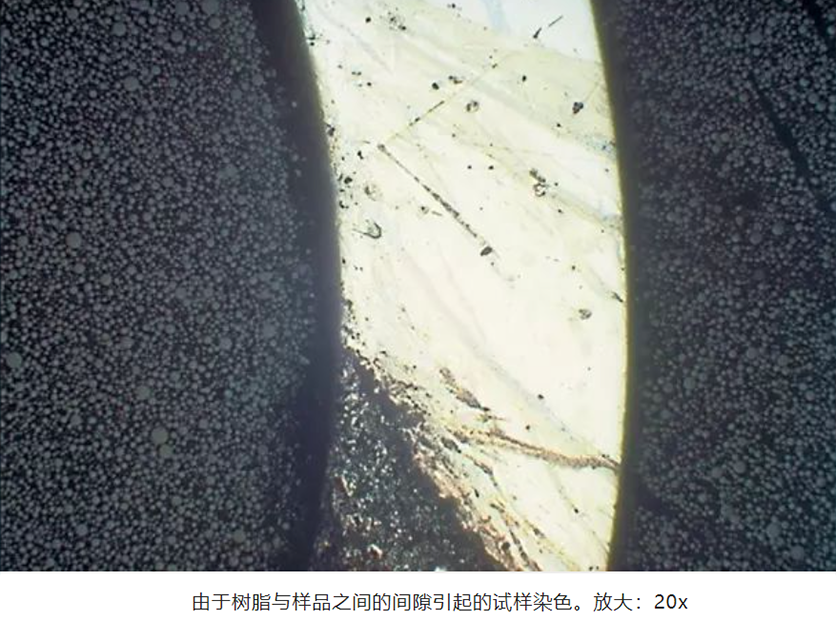
Response measures:
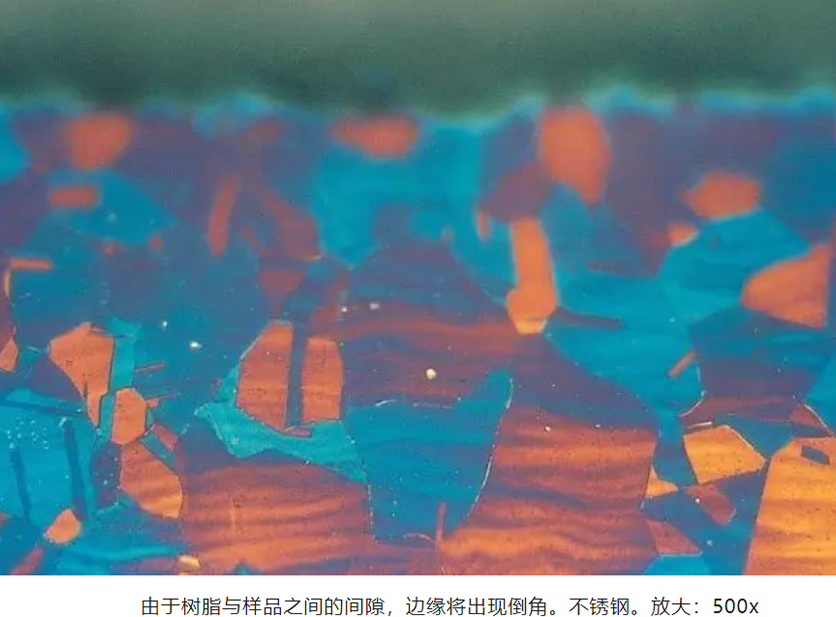
When you're in a sample, you avoid a gap between the sample and the resin.
The samples are cleaned and dryed immediately after the drying of the various routings.
In the last 10 seconds of the oxide polish, the polished sheet is washed with cool water, so that the sample and the polished sheet are cleaned together, and when finally polished, the compressed air dry sample is avoided, as the compressed air contains oil or water.
The sample cannot be placed in air when it is saved, as the moisture may impregnate the sample.
4) Transforming
Plastic deformations (also known as cold processing) may lead to subsurface defects after grinding, fine study or polishing. The after-incormination can be followed by a first look at residual plastic deformations.
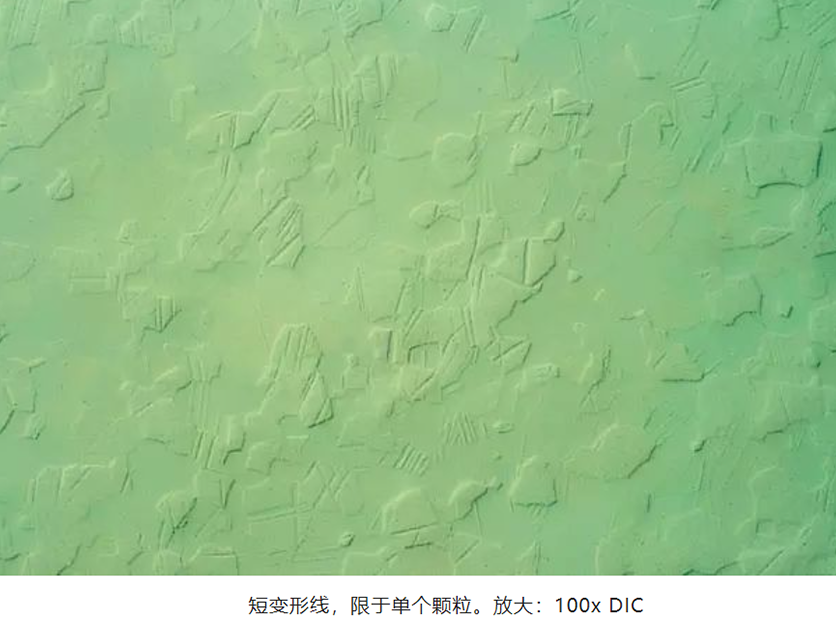
Response measures:
A deformation is an impersonation (chemical, physical or photo-infilm) that occurs immediately after the immersion.
If the shape of the suspected deformation line is still visible when unimpregnated samples are observed in the open, see first the section “Striking” for an improved sampling method.
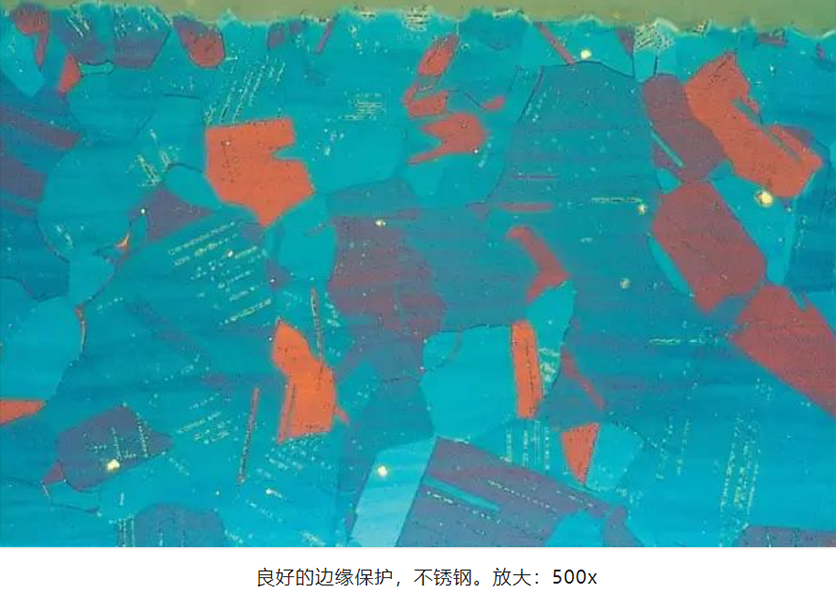
5) Perimeter rounding
This occurs when a very responsive polish is used, sometimes the surface and side of the sample is also grinded, an effect called the edge of the rim.
Response measures:
(b) Protection of the edges to be tested during grinding and not over-crushing of the edges of the sample by testing the edges,
The side where the specimen is to be protected is to be reared, the side where no protection is to be protected is to be ahead, and polished in the direction of the disk, as close as possible to the plate position as possible, and the time for the polishing should not be too long.
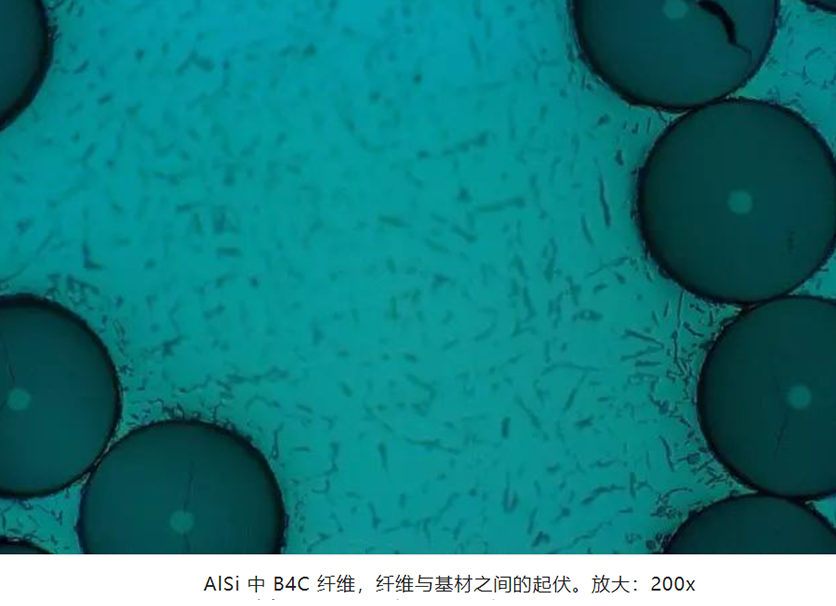
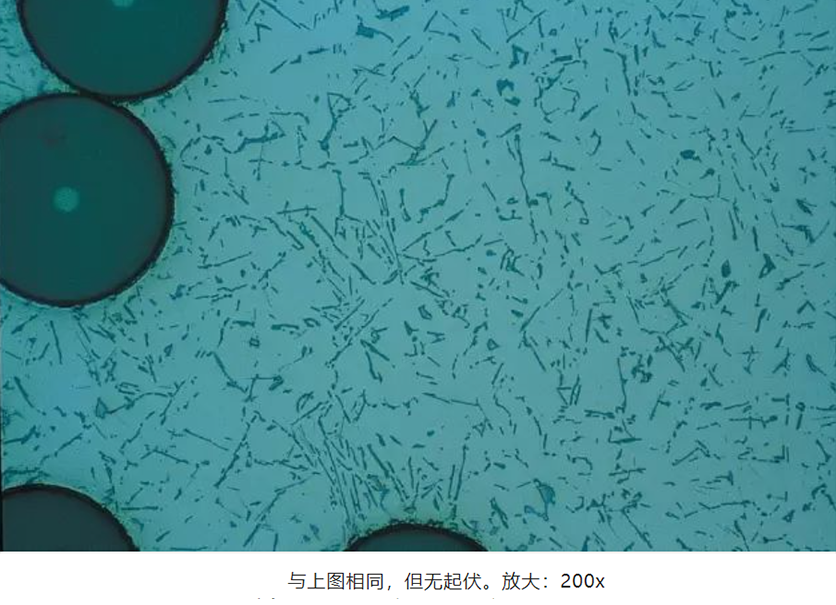
6) Emboss
The different material stripping rates, which vary in the rate and hardness of different forms, produce a paptation.
Response measures:
The emulsion occurs mainly during the polishing phase, with the fine quality of the sample being polished, providing a good basis for the polishing. The PV has a significant impact on the size of the sample, and the low-respondent PV is less effective than the PV is. The PV should be kept moist and control the sampling time, avoiding excessive sampling. If the emulsion occurs, the re-formulation must be made.
7) Dismissed
During grinding, the holes left by particles or crystals on the surface of the sample are described as falling. As hard-line materials are not plasticized, small areas of the sample surface are broken and pulled off or dragged down by a polished sheet.
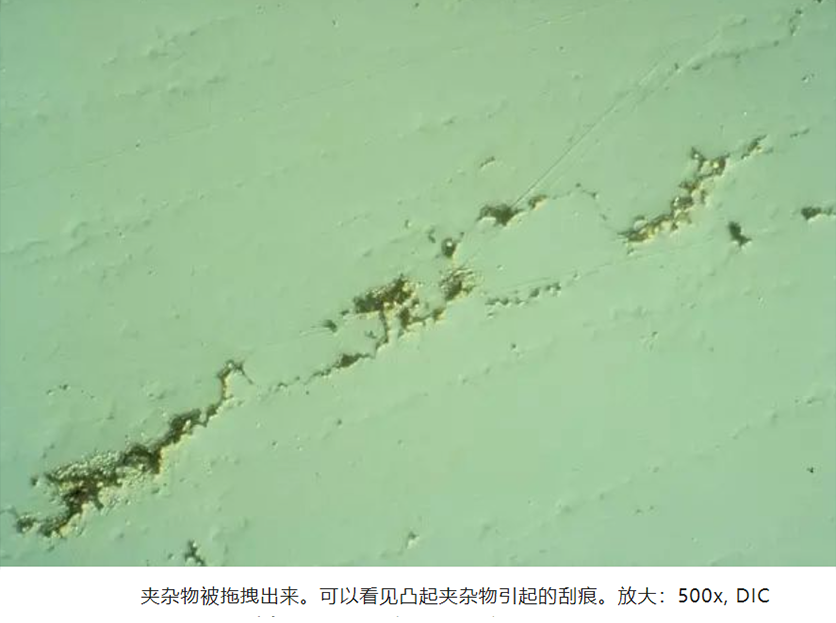
Response measures:
During cutting and mosaicing, no excessive stress should be applied to avoid damage to the sample.
When grinding or grinding, excessive pressure and rough grinding particles cannot be used. Flushing is done with fuzzy hair, which does not “pull” particles out of the matrix. Each process must remove the damage caused by the up-track process and minimize the damage caused by the process.
8) Breaking
Breaks in a scalable sample and in a multi-phase sample are called cracks. When the energy of the processed sample exceeds the energy that the sample can absorb, the excess energy triggers cracks.
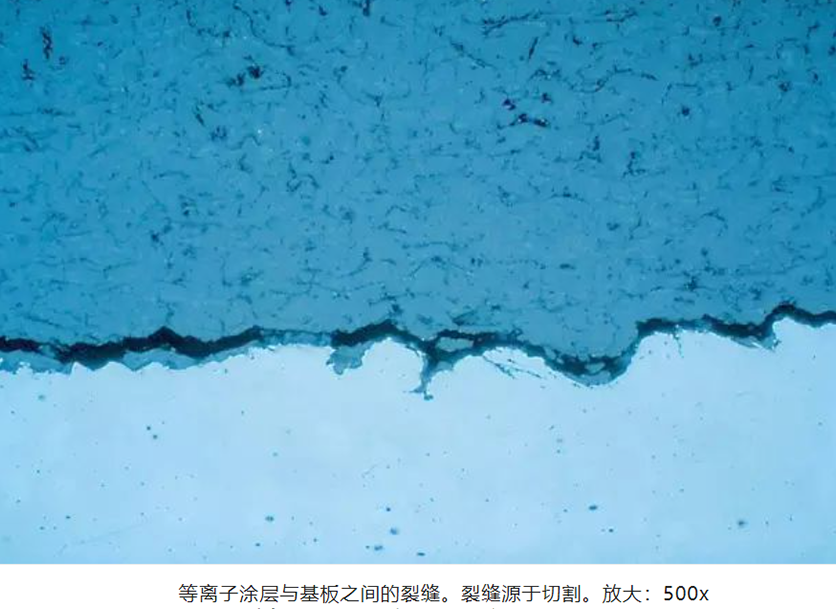
Response measures:
Cutting: The appropriate vessel must be selected and should be used at a lower rate of delivery and, if necessary, in a linear cutting technique,
Smudge: Avoid thermal pressure mosaicing of the hard-line material or sample, with the preference for cold mosaicing.
Grinding: Avoiding the use of heavy pressure when grinding.
9) Fake Porosity Rate
Some samples are pore-bearing, such as casting metal, spray coating or ceramics. It is therefore important to obtain accurate data and avoid data errors due to sampling errors.
Soft materials
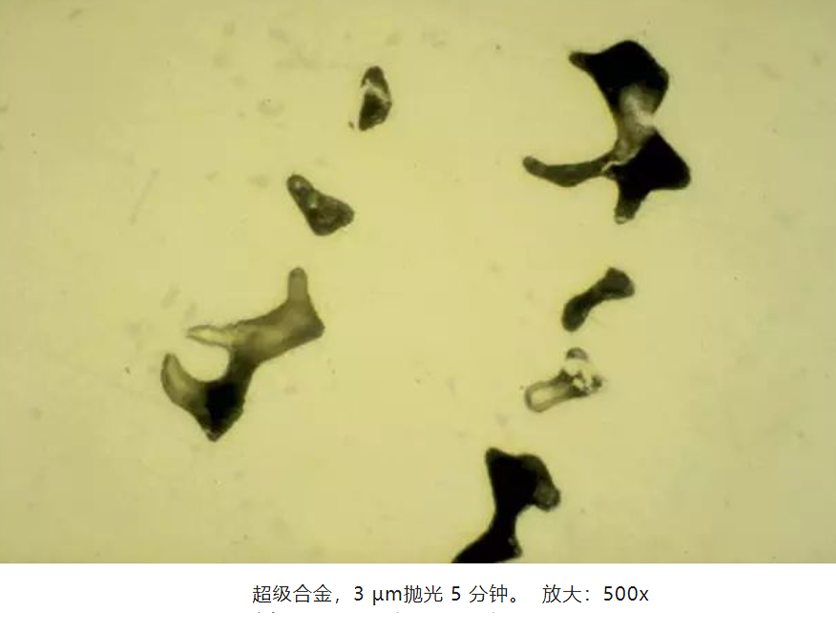
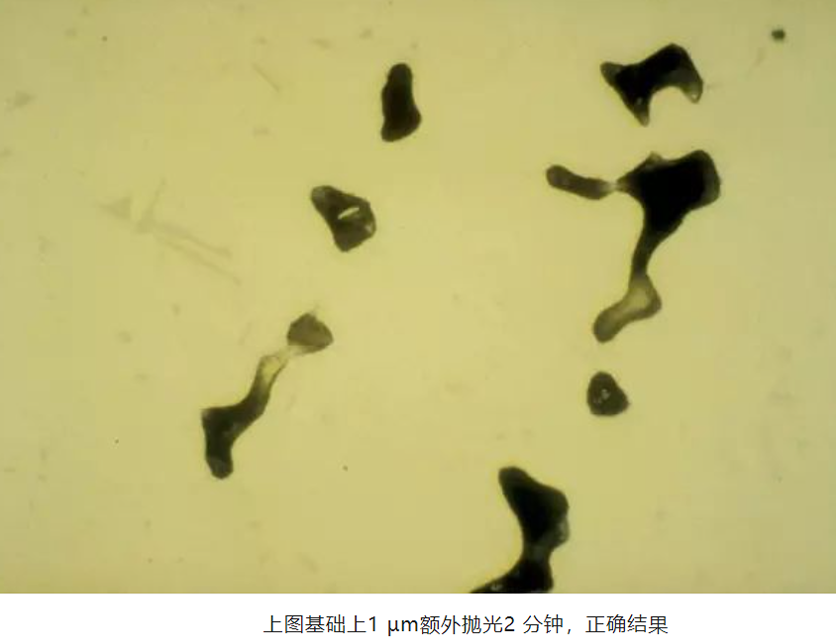
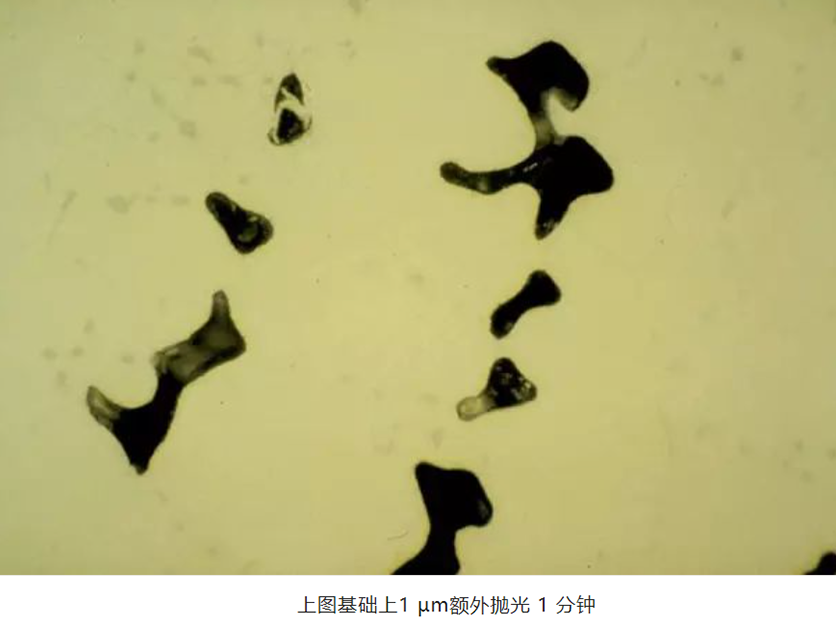
Hard materials:
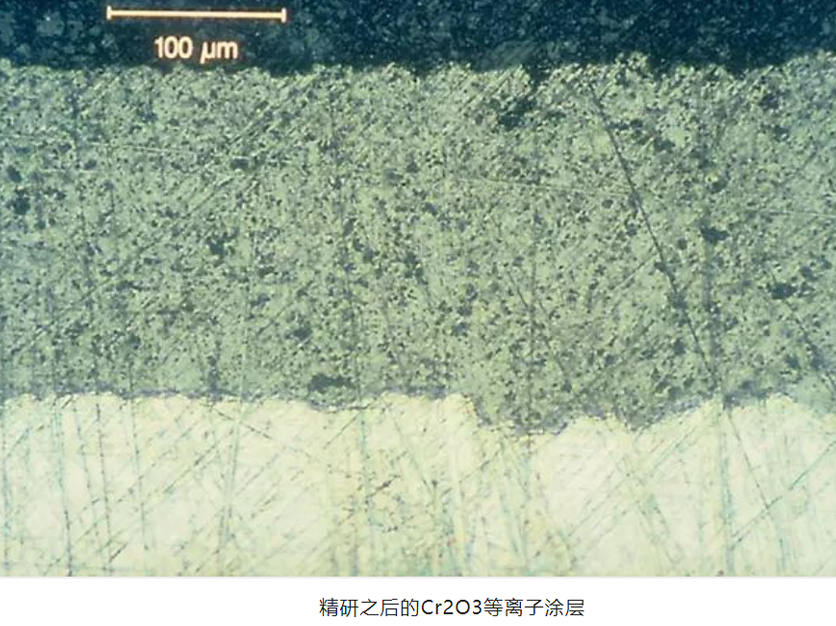
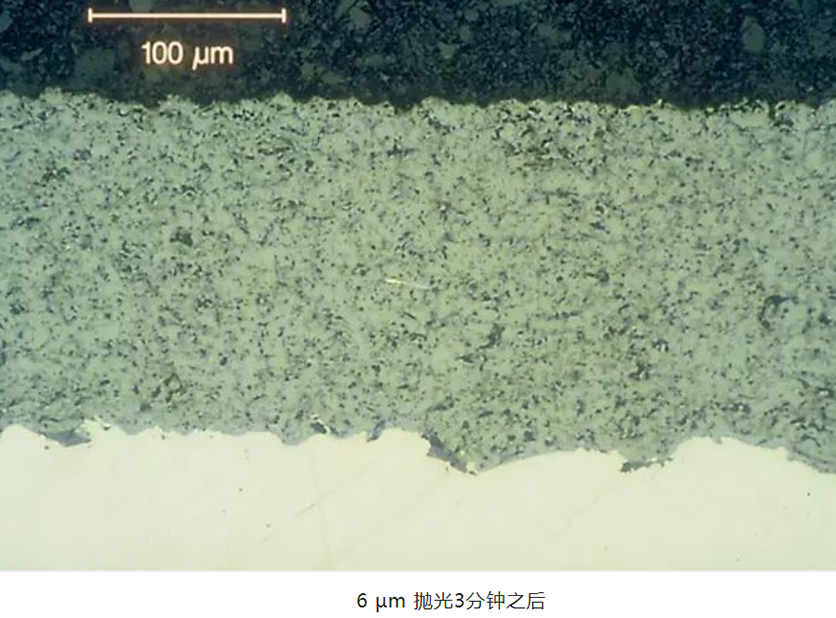
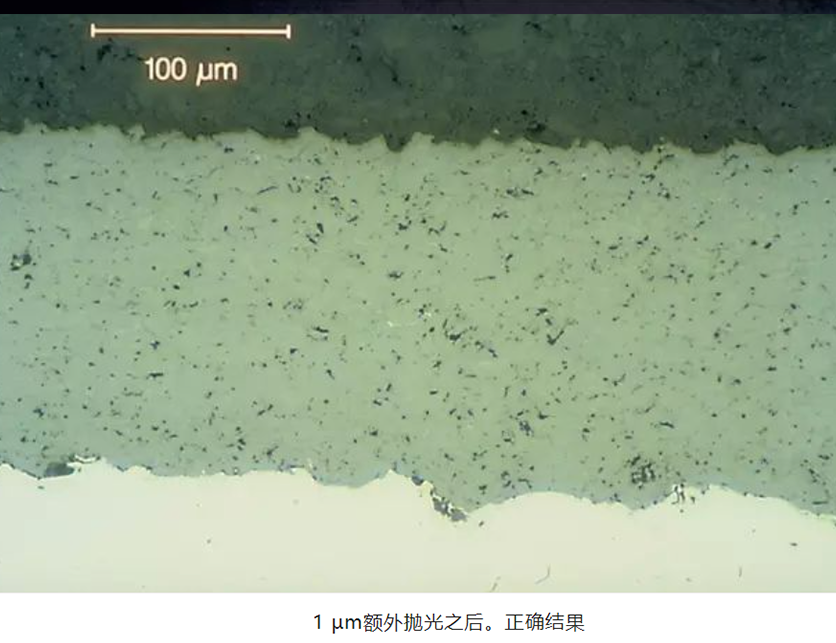
Response measures:
So, the holes can be covered by stain-ridden materials. Tests can show that the pore is too low. The surface of hard, hard, hard-cracked materials is easily fractured in the first mechanical preparation steps, so the pore is higher relative to what actually occurs. The same area is checked every two minutes with a microscope to ensure that there is any improvement.
- 10) - Back
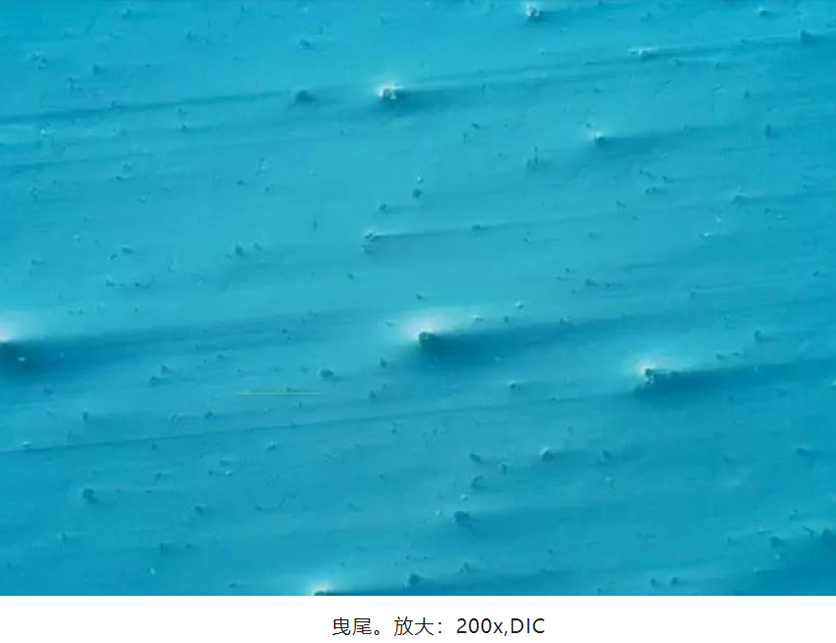
When the sample moves in the same direction as the peddler, the tailings often occur around the distillation of the picture or the hole. Their typical shape makes it known as the “traceback”.
Response measures:
The same rotation speed is used for the sample and the disk during the polishing.
To avoid the dilation of the formulation of the tail defects, the polished rags are kept wet, and the specimens are moved unceasingly to avoid long periods of polishing.
Pollution
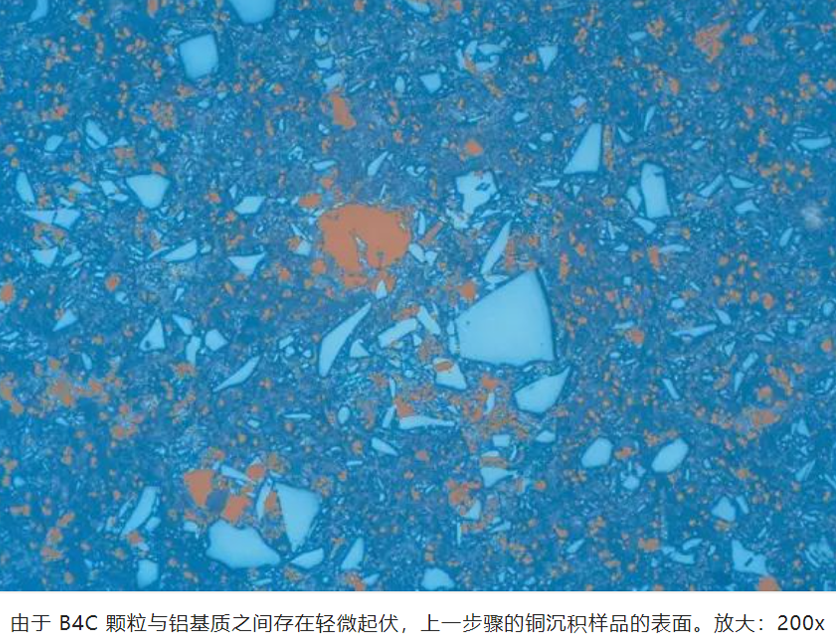
It originates from other parts rather than from the sample itself and is deposited on the sample surface during mechanical grinding or polishing, a phenomenon known as pollution.
Response measures:
This specimen is removed by re-smote, and if the polished specimen is checked, if the wind is blown with alcohol, then the glass is washed lightly on the surface with alcohol cotton.
To avoid contamination, samples are cleaned and dryed immediately after the various tropics, especially after the last one.
When it is suspected that a phase or particle may not be a real tissue, please clean or replace the polish and reformulate from the grounding.
12) Grid pressure
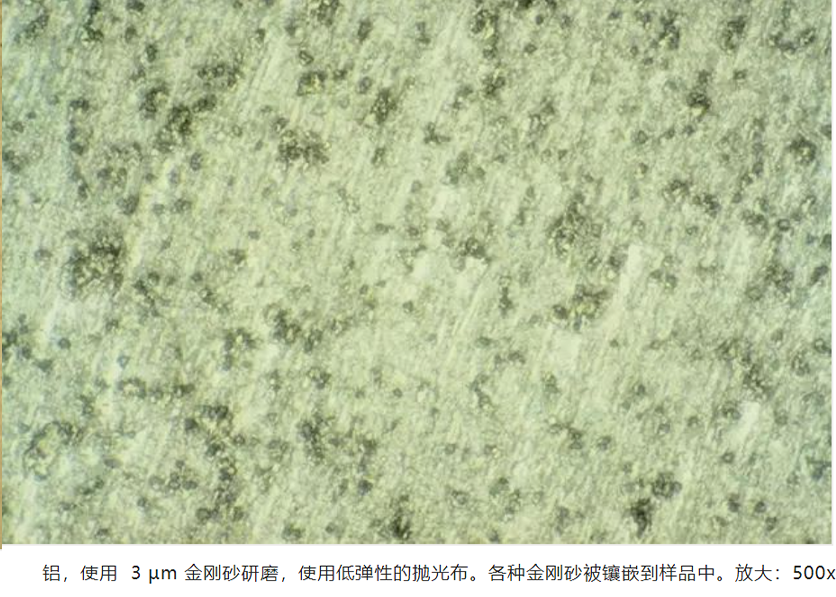
The presence of a free-range grinding particle on the surface of the sample is a phenomenon. The fact that the morphology of the embedded grains is not distinguishable from the metal-melt in steel under the golden microscope causes error in the analysis of the defects.
Response measures:
For a crack-and-hole sample, the strength of the sample is controlled and the sample is washed after each process.
If a crack, a single particle size, smaller particle size and a matrix are found in a hole, the spectral analysis should be made to determine whether the rags were carried in the steel or made in the sample, using scanned mirrors.
13) The grinding of trajectory
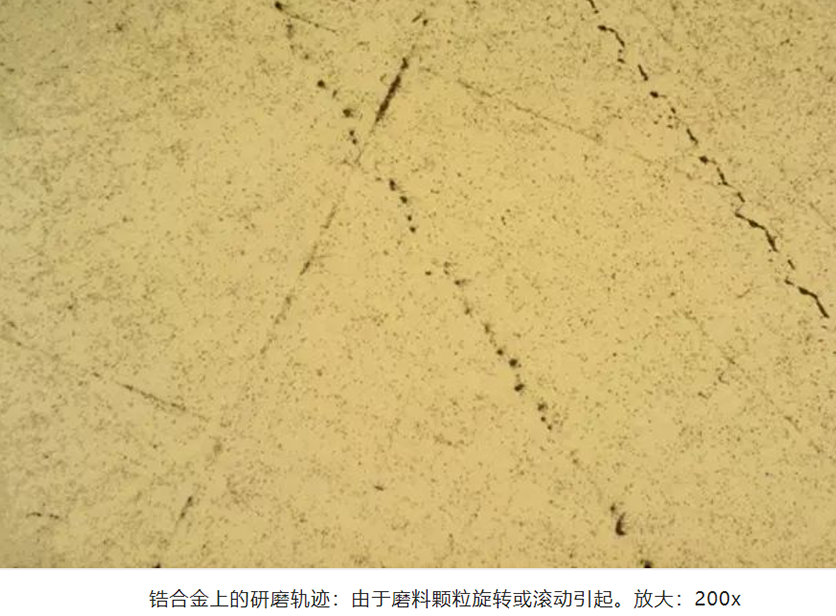
The following are the marks of the particles that are grinding the particles in the hard surface without any movement on the surface of the sample. Although there are no scratches on the sample, there are clear traces of the particles in the surface that are not moving in a regular manner. The grinding/painting or polishing sheet used is inappropriate or the pressure applied is inaccurate, and these errors together can lead to scratching.
Response measures:
High-flexible polish.
Increased grinding/photizing in appropriate amounts
 Official hotline:021-61905265


 Published:2023-02-13
 Views:
 Source: