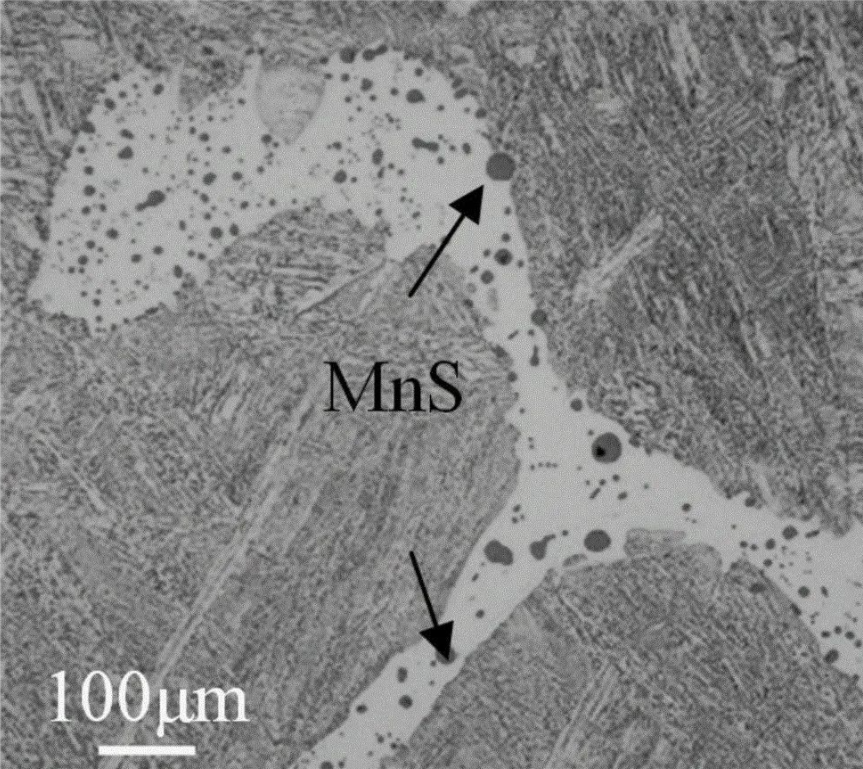
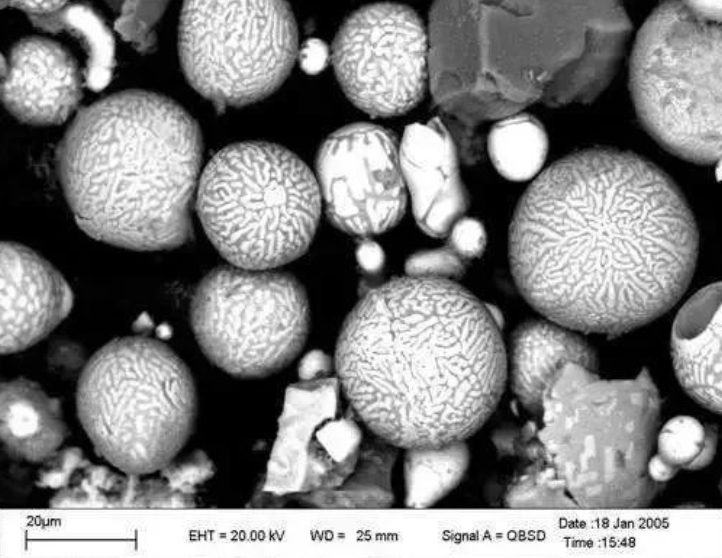
Non-metal-melts are metals or non-metal compounds present in steel. Non-metal-melts are generally present in steel materials, which vary in variety and shape and affect steel in varying degrees.

Generally, the presence of non-metal-melt-filled impurities has the following effects on steel:
(1) Disruption of the continuity of the metal matrix, which is prone to gill-fire cracks during thermal treatment;
(2) When the metal bears a payload, particularly a motor charge, it is susceptible to stress concentration, which reduces the mechanical performance of the steel, especially the fatigue, and even leads to the breakdown of mechanical parts during their use;
(3) The presence of non-metal-melt-filled impossible steel and increased mechanical roughness of surfaces;
(4) The more severe non-metal-melt-filled materials are distributed in a band after thermal processing of the steel, thus creating the directional properties of the mechanics;
(5) The presence of a stench also changes the performance of the pressure material and is susceptible to fragmentation in the stench.
So, non-metal-melt-in-a-stealing in steel should be seen as an tissue defect. Of course, normal load-in-a-stealing does not usually affect the use of steel, and some steel or spare parts instead want to contain more than some of the pieces, such as sulfur-based, and the presence of large amounts of sulphides not only improves the cutting performance but also applies to large-scale production of automatic vehicle processing.