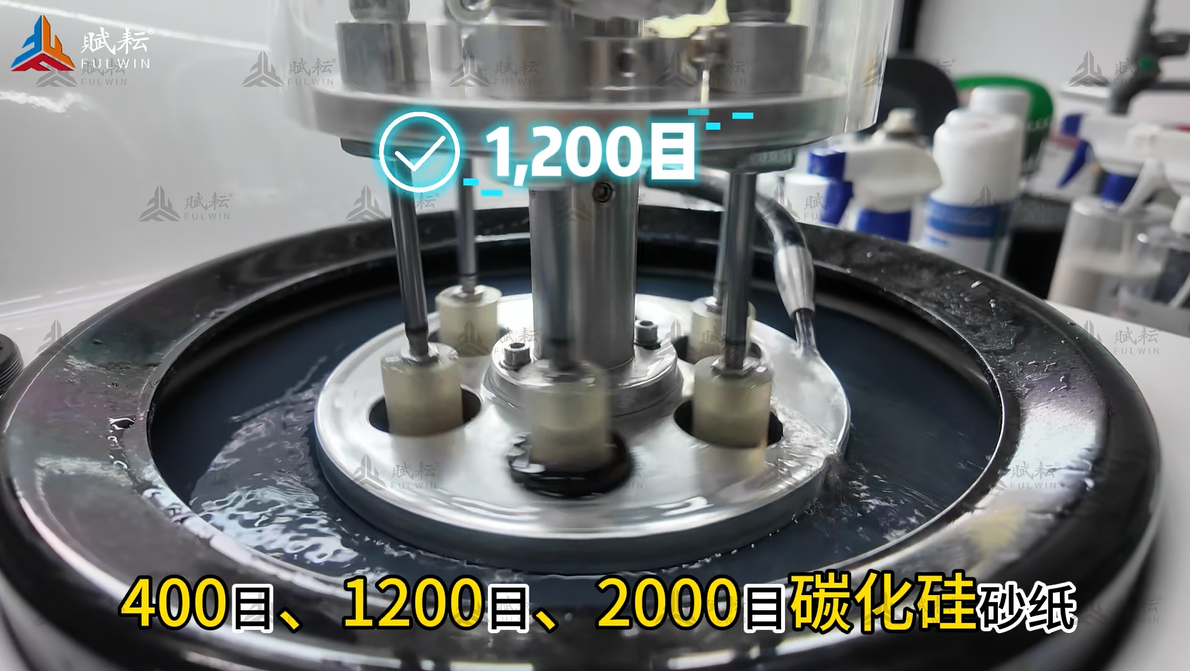
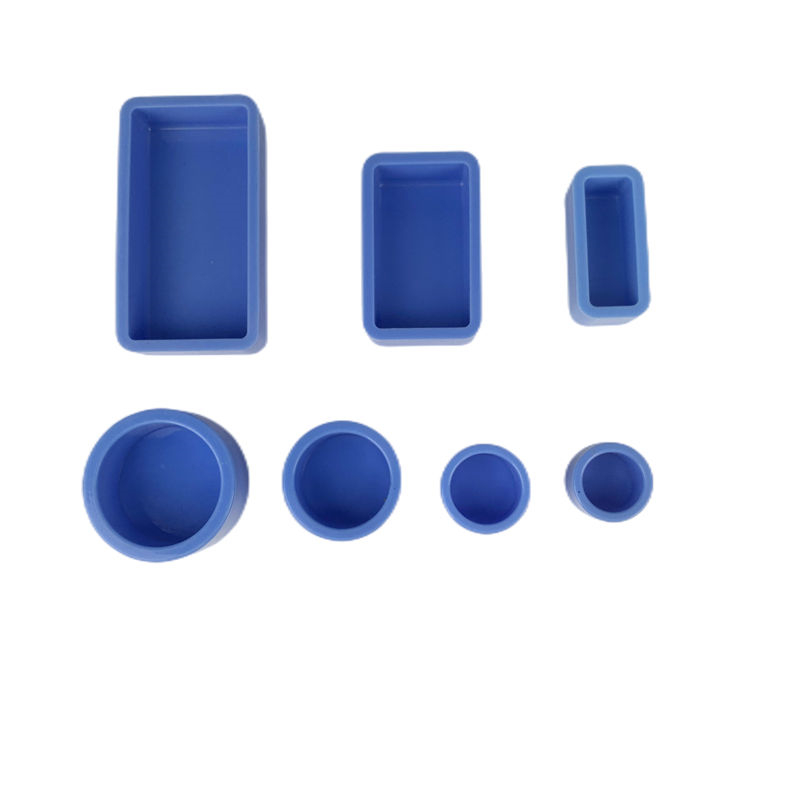
1. Generic thermo-mode-synthetic resins
The most common base money in the laboratory is the use of conventional mineral fillings, fluids, moderate rigidity and high value. Conventional metal samples of up to 35 HRCs, such as carbon steel, common alloy steel, copper alloy, or cast iron, are suitable for mass conventional mass tests, higher education samples. The advantages are high-speed formation speed, with most hydraulic, aerodynamic thermal embedding machines; the disadvantages are limited margin retention capacity, inappropriate for seeptography, plating, thin wall precision trials, and easy to grinding processes with light edge arcs.
2. Porcupine-type hot mosaic resin
Add high hardness to grinding mineral fibre fills, higher hardness of resin, better match of the grinding removal rate with the hard sample, effective suppression of the reverse angles, round arcation, high-frequency observation of the submarine tissue, and a gold analysis for carbon seepage of nitrogen, coating, hard alloy, high hard steel. The resin is less mobile and must be fitted with a hydraulic emulsion machine, with a working pressure recommendation of 20 MPa, with low average hand-shielding, aerodynamic pressure, and low capacity for impregnation, internal gas holes, and impure integration of the test samples.
3. Functional thermal mosaic resin
Special formulation resins, such as conductive and transparent, are included to meet the special detection needs.
• Pyrothermal pyrotechnic resins: the resin matrix adds conductive charge fills, which are directly usable for scanned mirror SEM observation, without additional foam treatment, for metal cut-off, micromorphological analysis;
• Transparent thermally embedded resins: they are solidified and transparent, and can visually observe the location of the specimens within the mosaics, which are suitable for small parts, thin samples and can be easily positioned for grinding;
Note: Functional resins are more costly and require a strict match to the corresponding temperature pressure process parameters.
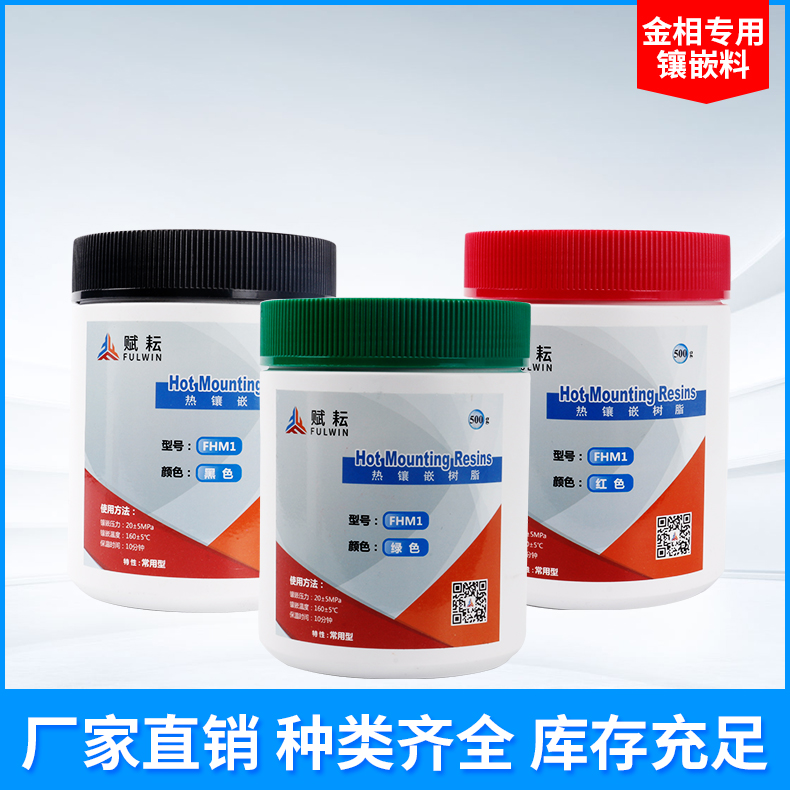
II. Elements of thermal mosaic resin application process
Pre-treatment of samples
Pre-demonstration samples must be washed with acetone or alcohol, removed from cutting fluids, oil stains, iron crumbs, and fully dried, and the water residue on the surface of the specimen will cause the embedding of the embedding gas hole, layering, resin and specimen interface to discomposed. The small thin sample needs to be fixed, with a 2 mm gap between multiple sample embedding to ensure that the resin is fully filled; the thickness of the resin coatings around the sample is recommended at 3 mm to prevent the radiation-like cracks from occurring after cooling.
2. Process parameter matching
There are differences between processes for different resins, with generic resins of general parameters: temperature 150 = 165 °C, pressure 18 ~ 20 MPa, temperature-poving pressure 5 = 7min; recommended pressure for the conservatory resins increased to 20 ~ 22 MPa, with appropriate lengths of temperature-push, to ensure that the resins are fully melted and filled with gaps.
The embedding is done with a ban on fast water cooling, with a recommended gradient cooling, which is then demouled until the temperature of the mold is reduced to below 60°C. The fast cooling is very likely to cause the embedding to crack and the specimen to loose. The emulsion is evenly coated with demolants to avoid resin glue.
3. Common defects and the association of resin selection and processes
1. Flowing of the edge of the specimen, cones: priority is given to the replacement of the corrosive resin; if the generic resin is to be used, the grinding parameters need to be optimized to reduce the grinding pressure.
2. Embedded internal bubbles, holes: mostly due to low pressure, damp and low temperature of resins, the conservatory resins need to be sealed to protect against tides in order to ensure that hydraulic pressure is achieved.
3. Slipper-specimen interfaces, untaught: the sample is not thoroughly cleaned or under-pressure, and the oily surface of the specimen is a significant reduction in the resin.
4. Embedded block radioactive cracks: too fast for cooling, with the sharp angles of the specimen, too thin for the resin coatings to have a slight reversal of the edge of the specimen and a slow cooling process.
III. SPECIFIC SUMMARY AND Fuyun ASSESSMENT TECHNICAL SERVICES
Core principles for selection: generic mass mass test; requiring a high-precision margin margin; and functional resin for special needs such as SEM observation, sample positioning, etc.
Denunciation: Thermal mosaicing does not apply to temperature-sensitive materials such as partial aluminium alloy, magnesium alloy, plastics, thin plating samples, which should be selected for cold mosaic resin to avoid high temperatures causing tissue alteration and decomposition.
Fuyun tests provide a complete set of gold-based materials and technical support, and can provide resin-specified advice based on the customer’s sample material, test standards, equipment conditions, and a combination of thermal mosaics, grinding materials, and corrosive reagents.
 Official hotline:021-61905265


 Published:2026-09-08
 Views:
 Source: