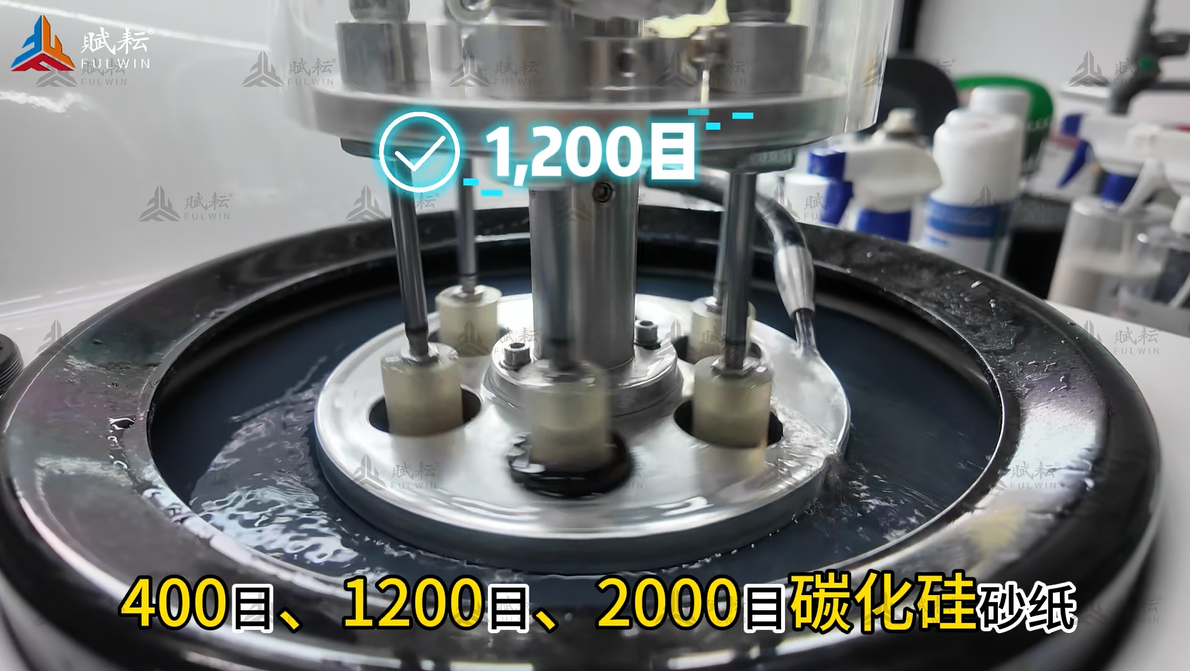
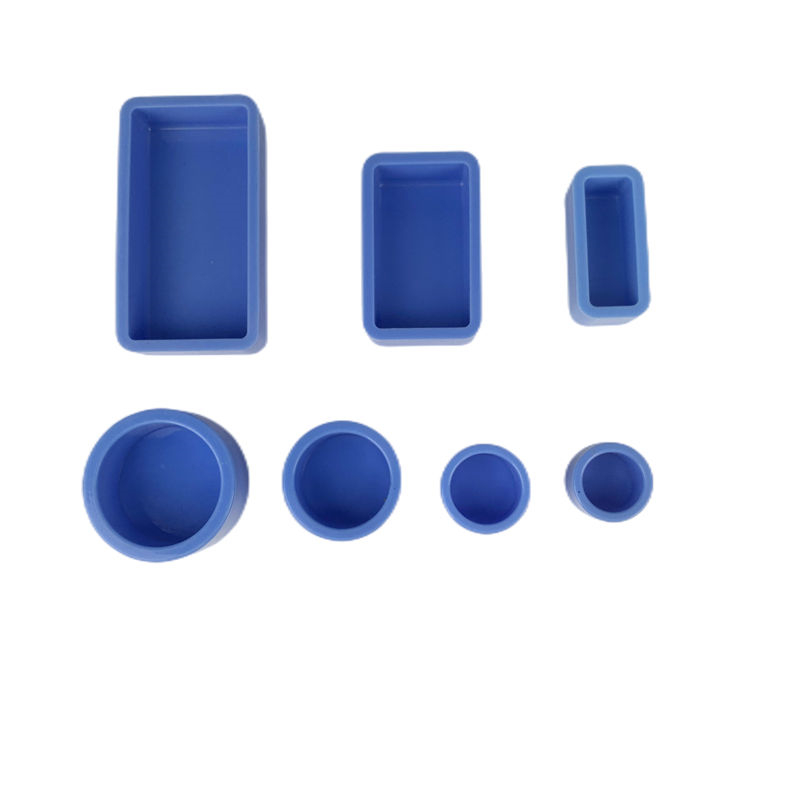
In the gold sample preparation process, sandpaper grinding is the central key process for the co-laying of sample cutting and polishing, which directly determines the balance of the surface of the specimens, organizational integrity, and the basis for avoiding the gold phase image, ensuring follow-up micro-observation, hardness testing, and material analysis data accuracy. Many of the problems in the routine sampling of the chemical, mechanical, material testing, and higher education laboratories are the causes of the waste of samples, data deviations, and excessive polishing, which are rooted in inappropriate selection of gold-phase paper, confusion in the particle mix, and faulty material suitability.
This paper, which combines national standard-setting and industrial practical experience, provides a comprehensive explanation of the scientific selection of gold sandpapers from the dimensions of core parameters of sandpaper, grinding material, particle-level matching, fitness, common error zones, and, in conjunction with the practical application of Fuyun to test gold sandpaper products, provides standardized reference for gold-forming samples of metals, alloys, hard-line materials, etc.
I. Understanding the core parameters: the correspondence between the number of numbers and the particle size
The core performance indicator for the gold sandpaper is the particle count, which is the primary basis for selection. The industry-wide standard FEPA is the coarse line of the miller particles in contrast to the national standard GB/T 6003.2: the larger the number, the more the grain is finer, the more the cutting power, the more the surface level is more flat; the smaller the number, the thicker the grain, the more the cutting force and the more efficient the removal of the residual amount.
The following is the typical particle size and the appropriate scenario for the regular gold phase:
1. Crude grain size (P80 – P240): Large granular grinding, with a high cutting capacity, is used primarily to remove post-excised knife marks, oxidizing layers, deformations, surface pellets, quick-spilling of specimen surfaces, and significantly reducing the subsequent fine-earthing workload, the first special particle size of the basic process after cutting.
2. Medium grain grinding (P320 – P600): a combination of cutting efficiency and surface accuracy, used to remove deep scratches from rough grinding, fine-treading, gradual restoration of surface deformation, linking of rough grinding and fine milling processes, which are the core transition particles of carbon steel, cast iron, and common alloy.
3. Pyrotechnicity (P800 – P2000): Pumpty, with little or no cut-off, with a focus on eliminating the fine and fine scratching marks, finening the roughness of the surface, bringing the surface of the specimen to the mirror pre-treatment standard and laying the groundwork for the polishing process.
4. Super fine particle size (P2,500 – P4000): More for precision gold phase detection, soft alloy, super thin sample sample, which handles micro-mite fine print paths and meets the stringent requirements of high-multiple microscope observations and fine gold-phase tissue analysis.
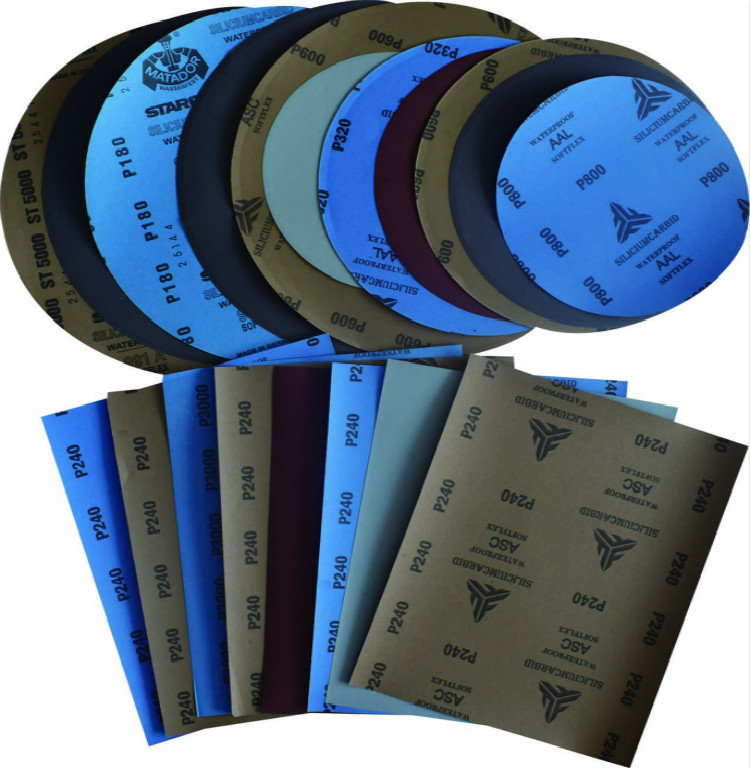
II. Selecting by grinding material: matching different specimens
The material of the gold sandpaper grinding material directly determines the suitability, resistance and sample effects of grinding, which are common in industry, with different metals, alloys and hard-crystal materials having to be matched with the corresponding grinding material, otherwise it is prone to problems such as viscos, scarcular distanglement and tissue deformation.
1. Silicon carbide (SiC) gold sandpaper
Silicon carbide, with a hardness of 9.5, sharpened grains, sharpness, and impermeable, is general-type sand paper.
Fitness material: flexible non-ferrous metals such as aluminium, copper, magnesium and zinc alloys, and more visceral steels such as stainless steel and heat-resistant steel.
Core advantages: Non-slubber, non-salary, plating, dry and wet, and adaptation to most of the regular gold-form scenes.
Fuyun carbide silica-carbide sandpapers are used to select imported raw material grinding, using electrostatic sand-planting, so that the grinding is evenly sharp, so that the secondary cut is effectively reduced and the majority of non-ferrous metals and stainless steel samples are wet-burned.
2. Al Oxylum (Al2O3) Gold Sand Paper
Aluminium oxide grinders are highly resilient, resistant, structurally stable and resistant to stress.
Fitable materials: hard-quality ferrous metals such as carbon steel, cast iron, mould steel, high-strength alloy steel.
Core advantages: Solid cutting of hard metal, non-fast-retched grindings, efficient removal of surface deformations of hard materials; disadvantage is the ability to grind soft metal with slime, drag tail marks and not suitable for soft alloy.
Fuyun Oxium Gold-Sand Paper, which is fine for ferrous metals and has a strong grinding performance and is suitable for mass-forming of steel samples.
3. Diamond sandpaper
The use of superhard diamond grinders, which are far above conventional grinders, is a precision-formulated material.
Fitness: materials that are hard to grind, such as hard-quality alloy, ceramics, gill-fired steel, semiconductor hard-lined materials, etc.
Core advantages: The difficulty of grinding hard materials can be overcome, surface-squeeze deformations can be squeezed and original gold-phased tissues retained; shortboards are costly and only for precision detection, scientific experiments.
Fuyun diamond sandpaper, dry and wet, full of grain sizes, can be used for grinding high hard materials such as ceramics, hard alloys and support size customization.
III. Modelled by sample process: standardized particle-level matching
The core principles of the Kim-Yiang grinding, which strictly prohibits the start of the jump in the particle scale, direct high-altitude scale, are coarse, grade-by-grade grinding, and the elimination of all marks at each level, which is the key to reducing the image-making and upgrading the test-testing rate.
1. Conventional steel, cast iron
Normal mechanical steel, casting steel, grey cast iron, ball ink cast iron
Matching process: P180 rough grinding P240 PFP400 PFP600 PFP1000 PF2000
Advantages: Class by level removal of cutting damage from surface deformation, balancing efficiency with accuracy, regular gold phase observation, crystal particle measurement.
2. Soft non-ferrous metal samples
Aluminium, copper, zinc, magnesium and their alloys (mixable, mucous)
Matching process: P320 steps P400 P800 P1500 P2000
Note: Soft metals are prohibited from using P180 and the following rough grain sandpapers to avoid grinding torn surface metals, tissue malformations and detection illusions.
3. High-hardness specialty material sample
Titium-compensated alloy, hard alloy, ceramics, gill-fired steel
Matching process: P240 rough-screwed flat P600 – P1000 – P2500
Super-heavy materials can be used to replace multi-grade fine grinding with diamond-based sandpapers, to simplify the process and to enhance the accuracy of the sample.
Base and use of a profile type: dry and wet toddle
In addition to the particle size and grinding material, the choice of sandpaper base materials, grinding methods, is directly adapted to different operational scenarios and affects the efficiency of the sample.
Paper base gold sandpapers
The light, smooth, smooth and high-intensity base, fully automated, semi-automatic gold-phase grinder, a mass sample of standard flat samples, a routing, non-conforming, is the main industrial laboratory choice.
Fuyun gold sandpapers use a 30 per cent high-intensity emulsion paper base, which is about 50 per cent more resistant to water than normal cow paper, and is less resistant to disfigurement in dry and wet environments; back-flips provide non-gel, tape, velvet, magnetic adsorbent options, import PT back-trip tores free of residues, do not damage the grinder face and reduce the cost of later cleaning.
2. Gold-sand paper with a base base cloth
The base is flexible and robust, and it is suitable for a cortex, foreign, and irregular specimens, which are manual, non-openable, well-relative and used mostly for non-spectrum, site-based and ad hoc sample-making.
3. Distinction of dry and wet grinding
• Dry sandpapers: mostly aluminium oxide grinders, suitable for fast rough grinding of hard metals, without water participation, and special materials for water-resistant, oxidizing;
Wet sandpaper: mainly in the form of carbide silicon grinding, which supports current water grinding, which allows the water to take the grinding, cooling and deoxidation in time to avoid thermal transformation of samples, and gives preference to wet grinding in over 90 per cent of conventional gold phase samples.
Fuyun gold sandpaper supports round shape (200200 mm), square 230 x 280 mm standard size, and non-specified customization, with a range of grinding equipment to meet the needs of a multi-industry sample of enterprises, colleges, microelectronics and PCB.
V. Quite common industry selection error zones to avoid waste pits
1. Mistake I: Blindly selected sandpapers with high-altitude numbers
Many operators, in order to save time, start directly with sandpapers above P1000, are unable to remove the deep deformation layers from cutting, and after subsequent polishing there will be hidden scratches and tissue malformations, leading to the breakdown of detection data and the elimination of samples.
2. Misdirection II: General mixing of grinding materials
Aluminium and copper alloys are grounded with aluminum oxide sand paper, which is highly susceptible to slime, drag tails and scarred mudslides; and high hard steel is covered with carbonized silray paper, which is fast-wired with grains, which are extremely inefficient and have a very low surface level of flatness.
3. Mistake III: Cross-particle jump-level grinding
The drop-through of the mid-particle level is directly from the rough to the fine, the upper, deep-level scratches cannot be eliminated, multi-stage grinding and scratching are interstasis and cannot be repaired by polishing, directly affecting the observation of the gold phase.
4. Mistake IV: Duplication of sandpaper, extended use
The continued use of gold sandpapers, which are worn and cut in the form of a significant reduction in the cutting power, will result in uneven grinding of the surface of the specimen and a thicker deformation layer, and it is recommended that single-grade sandpapers be replaced as needed and that repeated long-term use be prohibited.
Summary
The scientific selection of gold sandpapers is based on the "materials-composed grinding, process-appropriate particle content, and condition-appropriate base".
Selecting the right gold sandpaper will significantly reduce the end-of-life rate of the sample, streamline the sample process, improve the efficiency of the test, and retain the metal real gold phase, providing a precise and reliable experimental basis for gold phase analysis, material testing and process optimization.
Fuyun's series of tests of gold sandpapers covering three types of grindings, including silicon carbide, aluminium oxide, and diamonds, is full of grains, has a rich base and back-of-negative programme, supports customization, and allows for the production of multi-species, such as mechanical, chemical, university and microelectronic, and is a practical choice of the laboratory and enterprise labs for the use of the material.
 Official hotline:021-61905265


 Published:2026-09-14
 Views:
 Source: