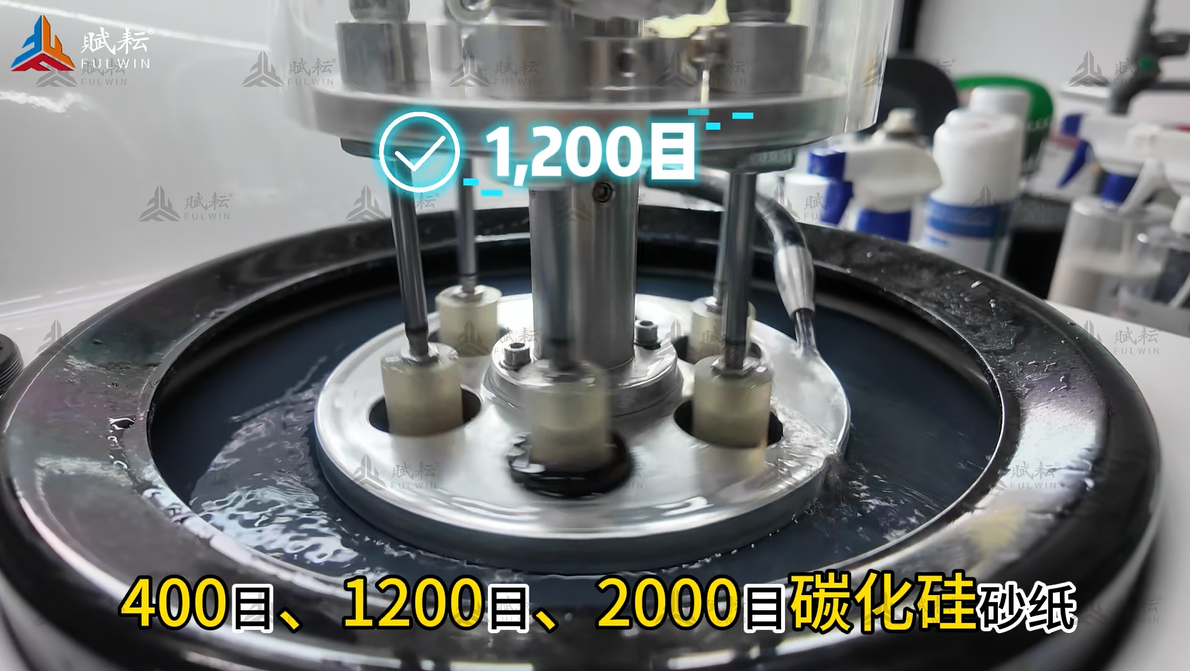
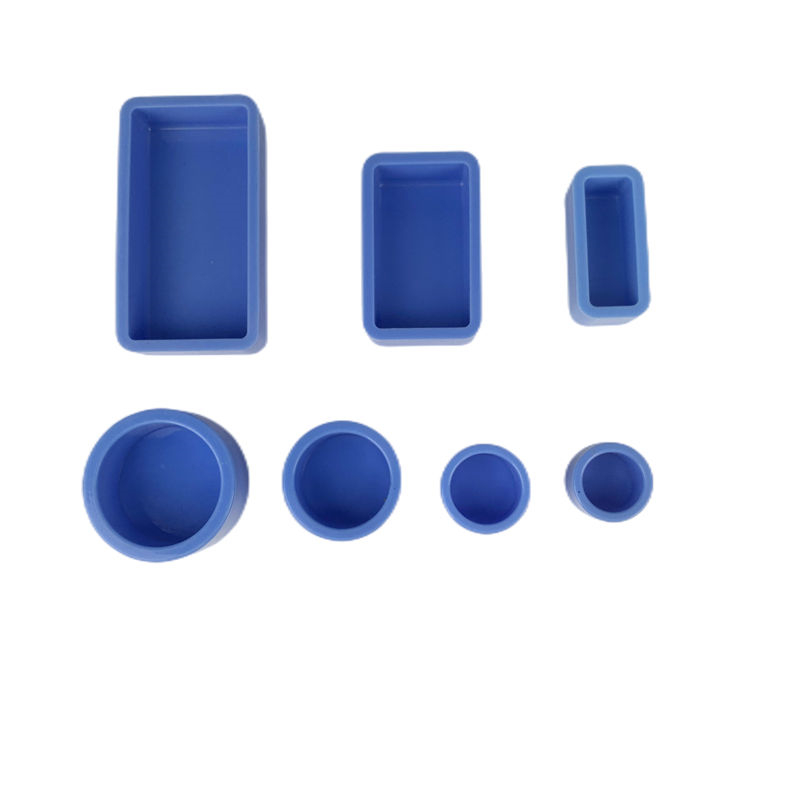
The process of polishing the samples of gold by fine grinding, current flattening, stress release, and the optimization of surface microforms, the propriety of which directly determines the authenticity of the gold tissue, the microimaging clarity and the accuracy of the gold-speculation data. In the general gold-forming defects, the specimen remains are processed in marks, surface heat damage, graphite and non-metal-metallic impurities, plastic deforming layer residues, and mirror-level integrity deficiencies.Over 90 per cent of non-equipment accuracy failure due to the loss of the polished fabric selection, inappropriate alignment of process parameters and lack of standardized operations。
Fuyun is a gold-phased plaster that covers multiple types of matrix, such as plumbing, medium-sliding, fine-slipped, mirror-end-scan, chemical machine polishing (CMP) full-processed links, suitable for use in the use of black metals, non-ferrous metals, titanium alloys, hard alloys, PCB-based materials, semiconductor crystals, graphite/non-metal-containing special specimens, and is widely used in industrial quality inspections, third-party gold-spectrometry institutions, and microanalysis laboratories of materials at higher education and scientific research colleges.
I. Technical standards for fine-selecting of polished PV based on a sample process
The central function of the gold phase polishing processes, the process of material removal, and the material modification requirements vary in nature, and the test base is to be combined with the hardness of the sample, the organizational characteristics, the detection indicators (the matrix tissue/packaging/phase analysis) to match the corresponding material plating sheet, and to strictly follow the selection principles of "process adaptation, material matching, and character complementarity".
1.1 Crude-brushing process: grinding damage layer removal, macro-styping
Process core: Efficient removal of deep scratches, plastic deformations, mechanical damage layers from pre-refining processes, removal of macro-micro-defects left by sandpaper grinding, and provision of flat surfaces for subsequent fine-swaps, with emphasis on material efficient removal.
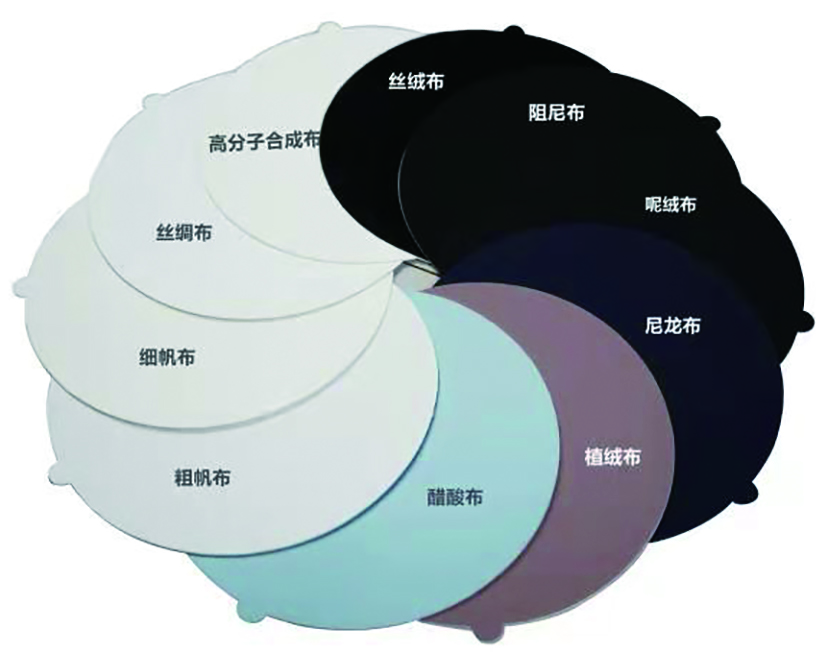
Fits to polish the fabric.High-intensity velvet, velvet wool, velvet, velvet, velvet, nylon, velvet. The fragrance of high-intensity base: carbon steel, alloy steel, titanium alloy, hard-quality alloy, and all types of conventional non-ferrous metals.
Technical and technological aspects of the process ban: high flavour and high sharpening buffers of flavour,Low hard and soft base materials such as aluminium, copper, lead tin alloy are strictly prohibited(b) Tests for the quantitative characterization of non-metal-melt-infested impurities, such as graphite, silicate, oxides, etc.,Disable all fuzzy-like polish media, the pull-cliping of the velvet fibre can lead to the fall, displacement, deformation of the package, the creation of a pseudo-gold phase, and the distortion of the test results.
1.2 Medium-level unprocession: micro-defect transition, surface accuracy upgrade
Process core: Elimination of middle micro-stamps and uneven deformations left by rough-painting, fine-lined surface roughness, and process transition from rough-to-scramble to balance material removal efficiency with surface integrity.
Fits to polish the fabric.The material is characterized by high millability, stable fibre structure, low shape variables, a large-scale distribution standardized sample, which can effectively reduce the frequency of the replacement of the fuel and ensure consistency in the batching.
Process taboos: Medium-plugged fibre aperture, grinding residuals, which do not meet the requirements of super-precision surfaces,No substitute for the Shape, the mirror end-screw processOtherwise, sub-micro-defects will remain and mirror imaging cannot be achieved.
1.3 Precision: super-spacing base construction, micro-organisation
Process core: Complete removal of residual micrograving marks, residual stress layers, maximum reduction of the base material to real gold phase, acquisition of low roughness, high-level fine-tight sample surfaces, and meeting the regular gold-species micro-observation requirements.
Fits to polish the fabric.: Conventional metal matrix specimens suitable for red/black velvet velvet plasters, fibres are well-balanced, grains are more suitable for grinding, and evenly finely fined; special samples containing graphite, non-metal-filled impurities, and brittle-looking,We must replace the hustling silk-skin-free., the non-fibrous pull properties can prevent the fall of the mucks and the deformities of the tissue.
Process mass control points: The fine-spinting process requires strict control of the axle-to-slow pressure, which causes a constriction of velvet fibres, pore-clip congestion, significantly reduces the stagger and grinding balance of the polish medium, and causes local polishing deficiencies, surface oranges, etc.
1.4 End-of-scene/CMP chemical machine polishing: super-precision surface formation
Process core• A combination of mechanical micro-distortion and chemical passivation, elimination of micro-inflation and surface stress from fine-scattering, achievement of atomic-grade optic-scopying effects, and adaptation to high-multiple micro-observation, ultra-precision base materials.
Fits to polish the fabric.High-molecular resistance to nitro-slurry, high-density black synthetic photo-spills, titanium alloy, soft-ferrous metals, welding alloys, PCB-related copper plates, semiconductor crystals, etc., and high-salvation acetate platings are the exclusive final-spill media, non-fibrous disturbances, high chemical stability, and precision preservation of the original tissue.
Process taboosThe final exit process has no significant removal capacity, and the process is not yet complete.It's forbidden to use deep scratches, to remove the thick deformation.and prohibition of the combination of large grains of diamond grinding media to avoid secondary microinjury.
1.5 Core selected technical iron law (mandatory standard)
All involvedgraphite mixed, non-metal-crystaltic, trace-definingThe gold sample tested, which is a full-scale fuzzy phorus-painted, must be used in a non-fluencing, uncut and undisturbed propane medium, which avoids the defects of the fake gold-shaped tissue from its root causes, the distortion of the binder, and the defunct tissue.
II. Technical elements of standardized on-board process and process quality control
2.1 Ploting-meat installation specifications
Remote gel emptied PV: Before getting on board, the polishing of the plate surfaces, oil stains, grinding of the dust impurities must be completely removed and the face must be kept clean and dry; paste work should be performedCenter, radiometric pressure around., completely venting the air under the ground, eliminating defects such as bubbles, wrinkles, edges, etc., and avoiding the twitching and uneven grinding of the surface during polishing.
Unremote gel-slapper: The pressure-clave locks are used to tighten, the surface-slave levels are strictly controlled, the surface-slave level is kept unflazen, and the surface-slave deformation is not partially stretched, and the specimens are prevented from being transducated and the test samples are screeched with the surface.
Magnetic chassis + viscosy-adaptive: Check the integrity of the viscosity coating before getting on board, and replace it immediately if there is a scratch, stripping, ageing and breakage, avoiding contamination of the coating debris specimen and affecting the polishing level.
2.2 New polished pre-wetting activity process
The new plaster is dry, pore closed, and direct damp throws have dry friction effects, causing high temperature and heat damage to the surface of the specimen, and oxidizing black. Once all materials are put on the machine, full immersion of the ion water will be required, the fibre will be fully immersed, the pore will be guided, and the medium will be fully activated, and the polished material will be equally tuned.
2.3 Standards of compatibility of the polished media and cooling and lubricating systems
FollowProcess-by-grade, particle-by-species, medium-specific matchingTechnical principles. Crude, medium-blown process is heavy in amount of grinding, heat, and is suitable for MLB blue-based cooling lubricant, which achieves high-efficiency cooling, smoother-dispersion and less scorching of grinding twig; soft alloy, semiconductor, mirror end-blown process, and MLR red high-precision cooling lubrication lubrication, with low corrosion, high lubrication, plastic-resistant deformation properties, and can effectively protect fine sample surface tissue.
Strictly enforce the rules for the use of grinding grade: large-scale rough-skinn grinding in the crude process is strictly forbidden to bring in a fine-spin, a final-spinning process, to avoid micro-striking contamination by large-spectling grinding and to ensure a gradual upgrading of the surface accuracy of the various processes.
2.4 Exploding pressure precision control norms
Hard-quality crude-painted media such as canvass, so on: using medium-low pressure polishing, high pressure can lead to local overheating of the specimen, surface crystal particle heat damage, thickening of the deformation layer and damage to the tissue integrity of the matrix.
Fine-skind filaments, silk, nibres, acetic acids: Micropressure, light-skinting processes are used throughout the process, overloading pressures cause fibrous structural damage, defunct cloths, and cause irreversible defects such as impregnable impervious base squeezing, microcording, and orange skins.
2.5 Post-swap test and reprocessing process
The specimens are removed immediately after the polishing process, and the following processes are used to wash the surface with deion water with residual grinding, lubricant, and when the water-free ethanol is dehydrated, the cold wind is dryed with a low temperature, and water stains, residual fluid corrosion, secondary surface contamination are eliminated, and can be processed with direct micro-observation, corrosive modification, etc.
III. Technological options for tracking and retrofitting typical gold-formulation defects
Typical sample defects | Core technology traceability | Targeted rehabilitation programme |
|---|
The sample surface continues to have small scratch marks. | Sprayed pore-pore, heavy grinding, mixed grains of grinding; mechanical damage layer of the upper milling process not completely removed and defects are left over layer by layer; and the surface contamination is ineffective | Replacement of new clean polishers, stratification of the grinding face; return of the corresponding milling process to eliminate the deep damage layer; strict implementation of grinding grade control to eliminate the mixing of particles |
Test surface oxidation black, heat damage | Wet and inadequate cloth, dry friction, heat; polished pressure overload; and inadequate supply of cooling lubricants and delays in heat dispersion | Regulate new pre-wetting processes; lower-lighted axle towards pressure; optimize cooling fluid supply flow to ensure continuous temperature and lubrication of the polishing process |
graphite/non-metal mixed tissue malformation, false appearance | Misuse of flair-like phoenix, fibre-clipsing and cirrhling lead to the decomposition, morphation and deformation of the mucks, creating a false tissue. | Change immediately the fuzzy, non-fluencing, special-purpose polish media such as silk, acetic anhydride, to avoid fibrous disturbances and to restore the real form of the muscular tissue |
Plastic deformation, wrinkles of the soft alloy test surface | Spraying material hardness, buffer and base material mismatch; too much polishing pressure and inadequate lubrication system | Replacement of high-molecular resistance special-purpose polished plasters, matching MLR high-precision red cooling fluids, reduction of polishing pressure, and low-speed micropaste |
IV. Fuyun gold-phased PV core technological advantage
1. Systemic adaptation of the whole craftCovers the rough, medium, fine, mirror final, CMP complete process, distinguishing between two main series of fuzzy, non-flue, and non-flue, matching the needs for differential detection, such as meta-organizational analysis, lacquer quantitative testing, super-precision mirror-forming, and addressing the pain points of the trade in the case of impurity and deformity of the packaging.
2. Material process stability is excellent: High-density weavering, rigid solidification, high fibre evenness, very low hair loss, high stretch resistance, high compressive transformation, small batch development and mass-scale standardization of the scalable laboratory, and controlable batch consistency.
3. The specifications are all over the fittest.Full system provides two installation specifications with back-of-back and back-of-back-free, with full-scale, non-standardized support, and with full-automatic, semi-automatic, manual grinding equipment of all types.
4. Integrated consumption material support system: The full-scale gold-composed materials, such as high-precision diamond sprays, diamond suspensions, aluminium peroxide, silicon CMP polish, and special cooling lubricant, can be integrated with the gold-forming process closed and the process parameters are accurately aligned.
V. Specialized procurement and job matching guidance
The core of the gold-photo-skin-lighted kernel is based onSample-based material mechanics, microtesting indicators, sample-based work massPrice and non-core criteria, fabric fabric density, fibre structural stability, matrix resistance, surface flatness directly determine the sample eligibility rate and the accuracy of the test data.
The specifics of special alloy, semiconductor, high-precision cartridges and process parameters are available to the technical team.
In the area of gold-formulated materials for deep-dry farming, a full set of standardized materials such as cutlets, mosaic resins, gold-shaped sandpapers, grinding pallets, polishing media, sufficient stock of available materials to support bulk collection, customisation and adaptation can provide laboratory with a full-formula-format-based mass control solution.
 Official hotline:021-61905265


 Published:2026-09-16
 Views:
 Source: